Center Certification & Testing International
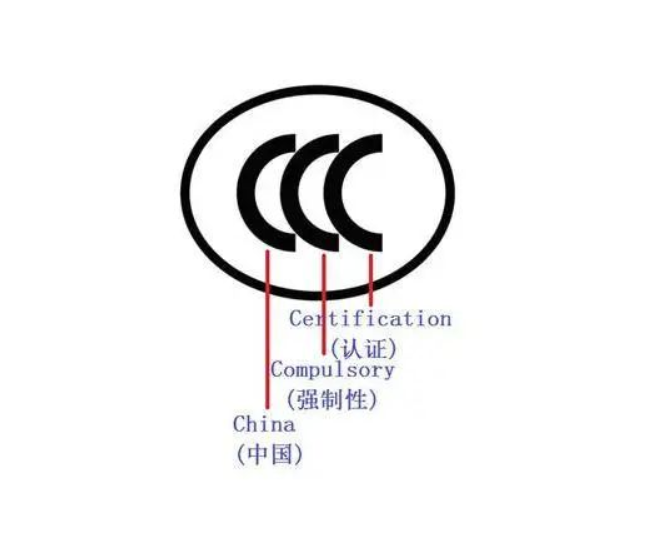
In the current era of rapid technological development, polymer batteries, with their advantages of high energy density, light weight, and good safety performance, are widely used in various electronic products such as smart phones, laptops, and power tools, becoming an important \"energy heart\" that supports modern life. However, to ensure the quality and safety of such battery products, CCC certification has become a crucial step for them to enter the market.
In the current era of rapid technological development, lithium-ion batteries, with their advantages such as high energy density and long cycle life, are widely used in portable electronic products, electric vehicles, energy storage devices and other fields, becoming an indispensable part of modern life. However, with the rapid expansion of its market size, products of varying quality have flooded the market. Some inferior batteries have caused safety accidents such as fires and explosions, seriously threatening the lives and property of consumers. Against this backdrop, the CCC certification system for lithium-ion batteries emerged, aiming to regulate the market and ensure safety.
In the era of vigorous technological development, square batteries, with their unique advantages, have been widely applied in numerous fields. However, before entering the market, it must cross the crucial threshold of CCC certification. So, what exactly is CCC certification? What significance does it have for square batteries? Let\'s explore it in depth together.
In the current era of rapid technological development, pouch batteries, with their lightness, thinness, high energy density and good flexibility, are widely used in various electronic devices and have become an important force driving the development of the industry. However, as its application scenarios continue to expand, security issues have become increasingly prominent. To safeguard consumers\' rights and interests and regulate market order, the CCC certification for pouch batteries has emerged.
Less than a month remains until July 8, 2026, when the U.S. Consumer Product Safety Commission (CPSC) will fully enforce mandatory eFiling electronic declarations. This new regulation comes with no grace period and zero exemptions. U.S. customs clearance will shift from post-arrival random spot checks to 100% pre-arrival system pre-screening. Shipments lacking electronic compliance data will be detained and forced to return, with a maximum single penalty of USD 120,000. Massive stockouts are highly likely during peak sales seasons.
On April 14, 2026, Brazil’s National Telecommunications Agency (ANATEL) officially issued Decree Ato no 5314/2026, which formally includes stationary lithium batteries for communication applications in the mandatory certification control list. The regulation will be fully and strictly enforced starting October 12, 2026.
The Bureau of Standards, Metrology and Inspection (BSMI) under the Ministry of Economic Affairs, Taiwan region, has formally revised the inspection regulations for secondary lithium-ion power products. The new regulations will be fully implemented on July 1, 2027, and the old standards will be abolished at the same time. The unified import supervision code for all applicable products is C02. Triggered by frequent safety incidents such as spontaneous combustion and explosions of portable power banks, this revision mainly adds new safety test items and updates certification standards, as well as tightens control over certificates and product markings. Enterprises that fail to complete rectification on schedule will have their certificates revoked in accordance with the law, making it impossible for their products to enter the Taiwan market normally.
On May 28, 2026, the Ministry of Industry and Information Technology (MIIT) officially issued Announcement No.11 of 2026, releasing the 2026 Revision of the Catalogue for Restricted Substance Compliance Control of Electrical and Electronic Products and the 2026 Revision of the Exemption List for Restricted Substance Applications under the Compliance Control Catalogue. Both documents took effect upon release, while the old versions specified in Announcement No.15 of 2018 were abolished simultaneously.
Learn the latest exciting content

Tik Tok